
Designing With, Not For: How an Army Veteran Mom and ODU Student Engineers Are Redefining Accessibility
Accessibility starts with more than a blueprint. It starts with listening.
For Project S.E.R.V.E., that principle shapes everything we do. We don’t simply ask students to design for veterans and emergency responders. We ask them to design with them, centering lived experience, independence, and real-world needs from day one.
That philosophy comes to life in the collaboration between Heather Trujillo, a U.S. Army veteran and mother living with a partial spinal cord injury, and a team of student engineers from Old Dominion University — Julia (Tobi) Reid, Brad Etheridge, Danielle Salvatore, Jeffery Redmond, and Sylvia Owens.
Together, they are building something that doesn’t exist and, in the process, redefining what accessible design can look like.

U.S. Army veteran Heather Trujillo (pictured on the left)
A Problem Only Lived Experience Could Define
Heather served in the U.S. Army and sustained a serious spinal injury due to a structural failure during her service. Years later, that injury continues to shape how she navigates the world, especially as a parent.
After decades of surgeries and recovery, Heather welcomed her daughter via surrogacy. With that joy came a deeply practical challenge: how to independently move through everyday spaces as a mom using a wheelchair.
“Nothing was available,” Heather explained. Existing products didn’t allow her to move through the world with her child safely, independently, or confidently.
Commercial products didn’t meet her needs. Workarounds existed, but they compromised safety, comfort, or dignity. Heather didn’t need a generic solution. She needed something built specifically for her life.
That’s when she applied to Project S.E.R.V.E. after learning about us in a VA newsletter.
From Story to Specification
At Old Dominion University, senior mechanical engineering technology student Tobi Reid and her teammates took on Heather’s challenge as their senior capstone project.
The first step? Listen.
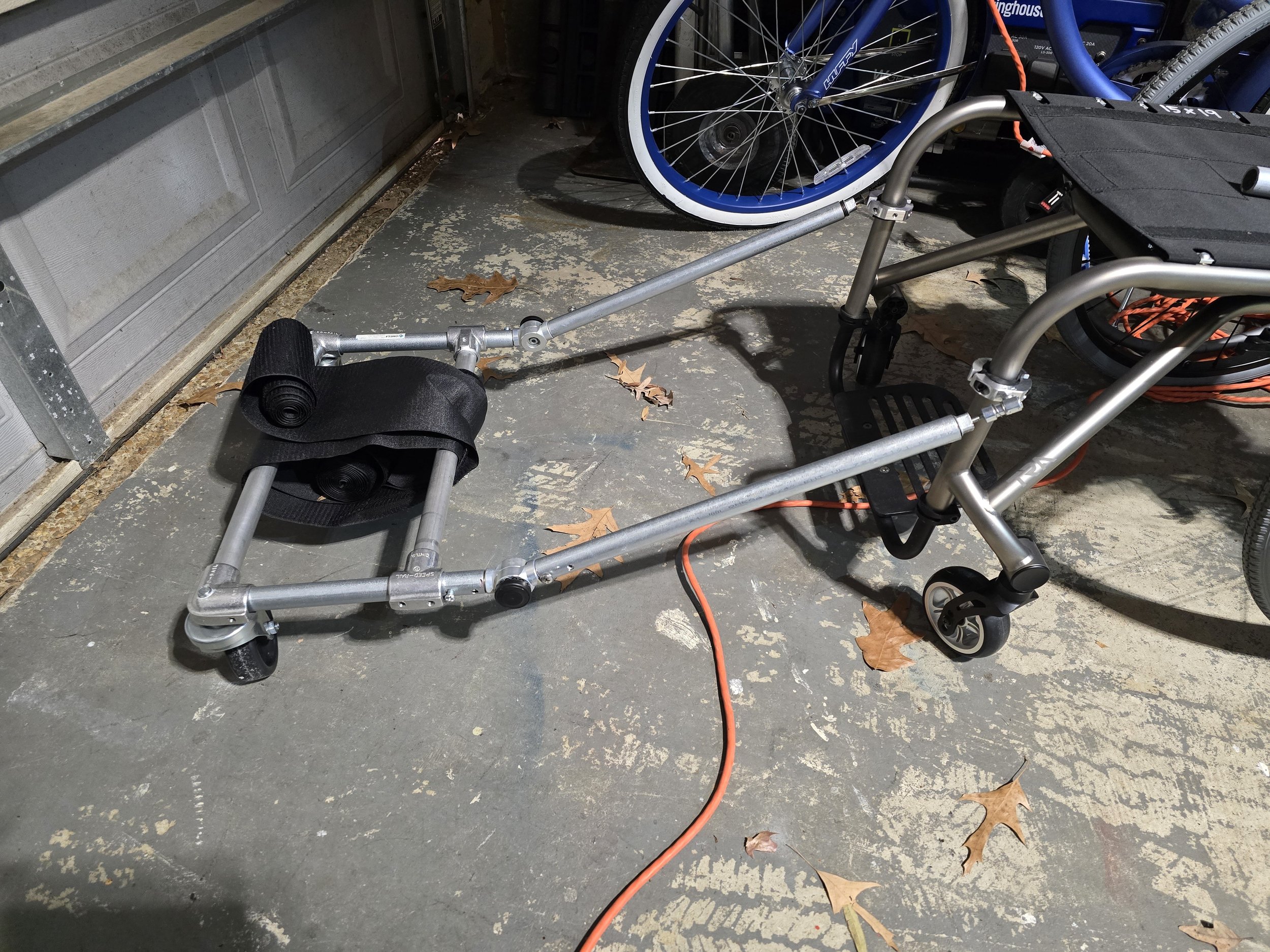
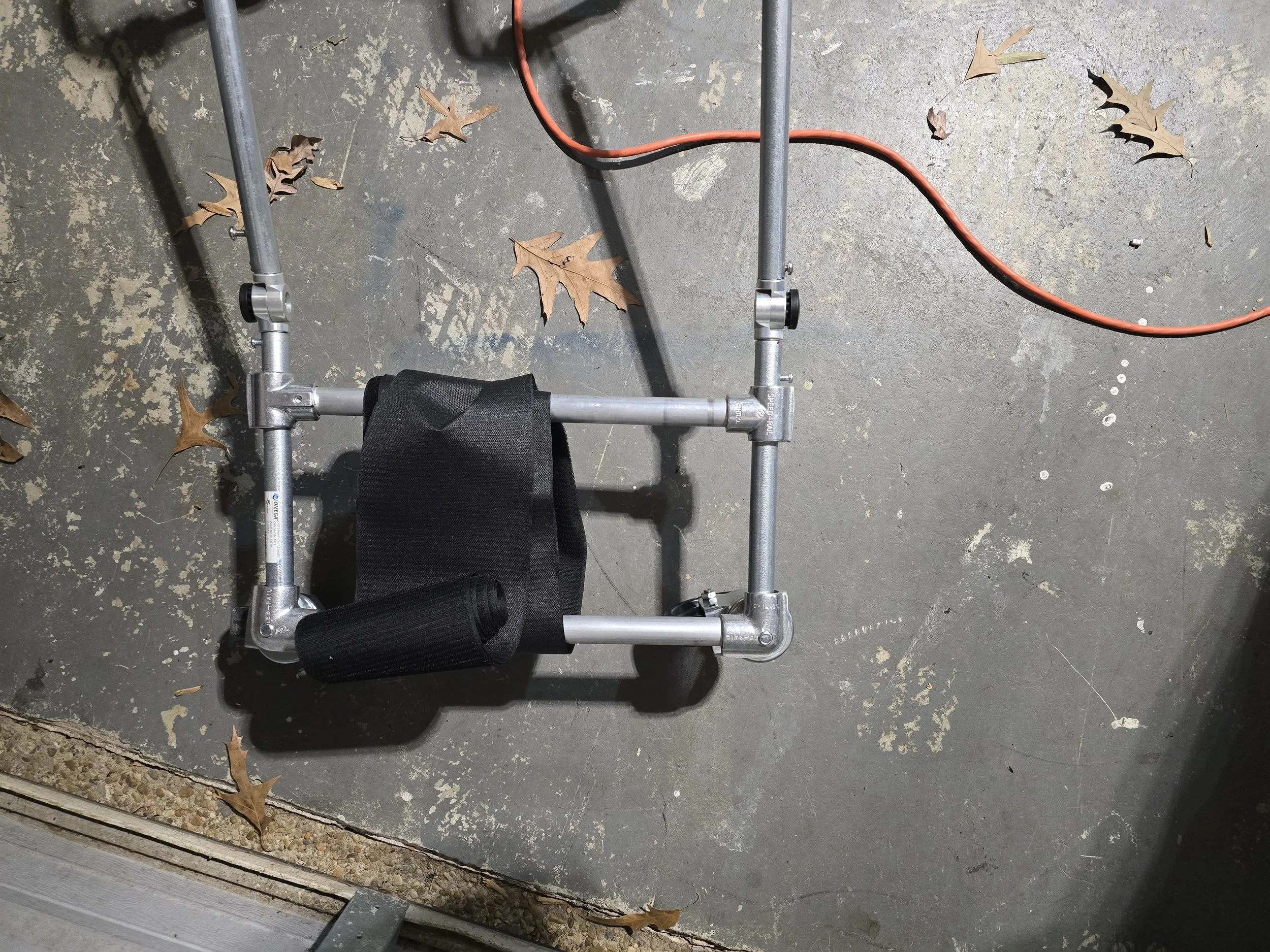
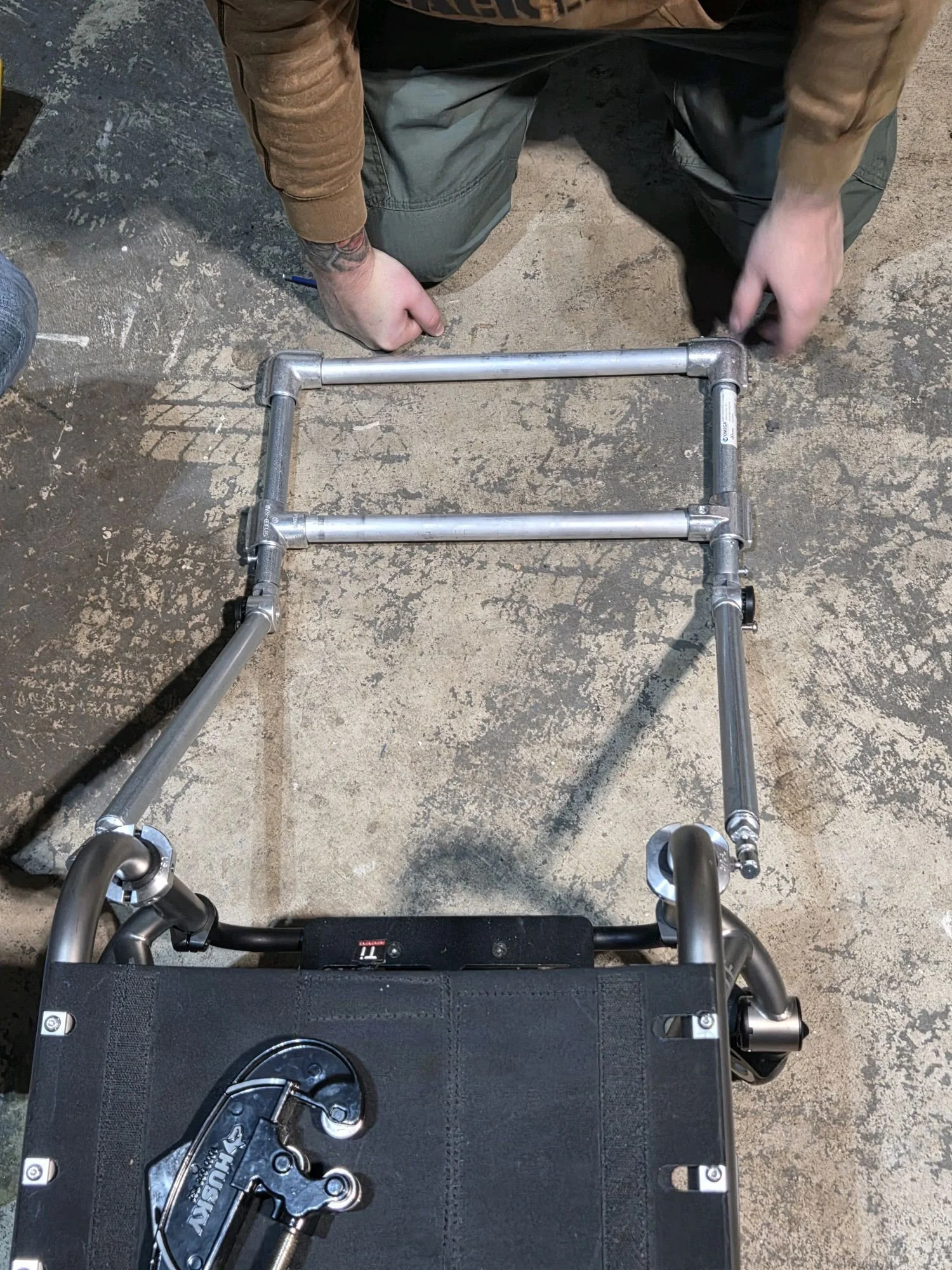
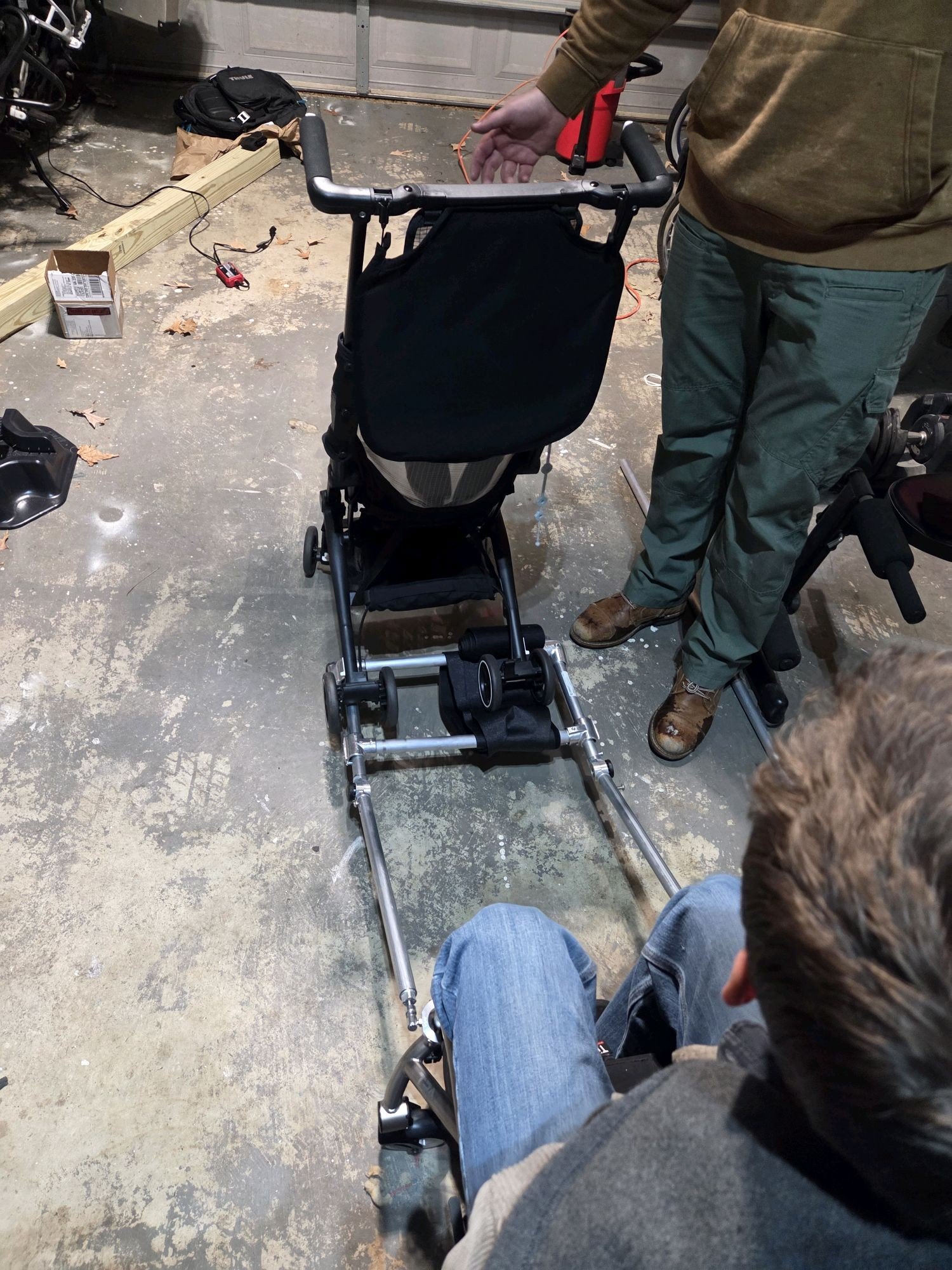
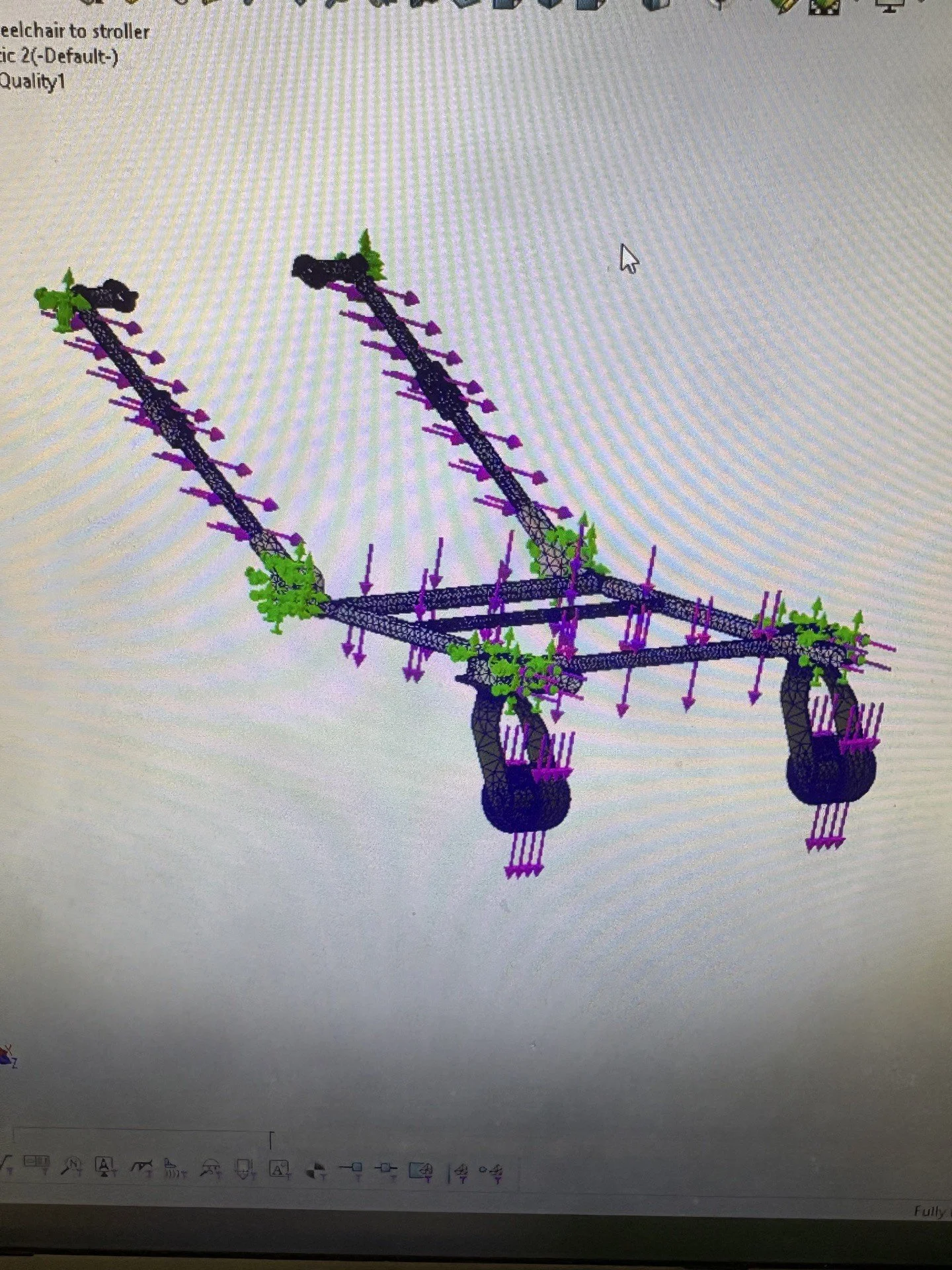
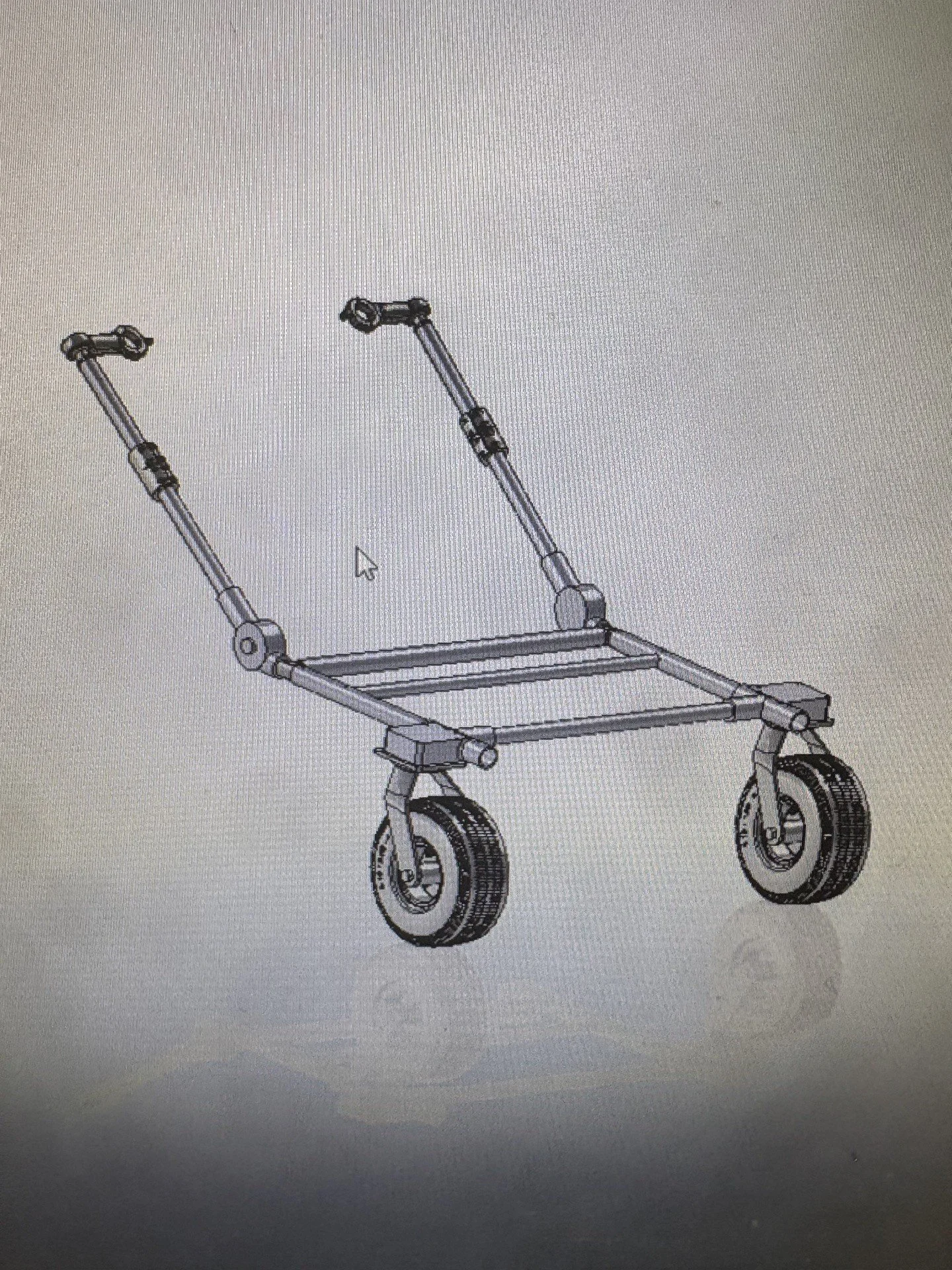
Heather met with the team virtually, sharing not just what she needed, but why it mattered — the realities of parenting, mobility, pain, and independence. Those conversations shaped every design decision that followed.
The goal: create a lightweight, detachable stroller attachment that integrates safely with Heather’s wheelchair, allows easy access to her child, and accommodates limited hand strength due to arthritis.
“There isn’t much out there to reference,” Tobi said. “A lot of what we’re doing doesn’t exist yet, which means we have to test, build, break, and rebuild.”
Using CAD modeling and physical prototyping, the team developed an initial design, stress-tested it digitally, then built an early prototype by hand. They quickly learned what didn’t work — dimensions, balance, stroller compatibility — and are adjusting accordingly. The project remains active, with Heather and the team meeting regularly to finalize a solution before the end of the semester.
Engineering Empathy in Action
For Tobi, the project is deeply personal. She has family members with disabling conditions and has seen firsthand how often people are forced to adapt products that were never designed for them.
“Knowing that something we build could impact someone’s life — and their family’s life — is incredible,” Tobi said.
For Heather, the impact is just as real — even before the final prototype is complete.
With Project S.E.R.V.E., she sees a future where everyday moments feel possible again. Heather is also preparing to release her memoir, The Alchemy of Pain, later this year, sharing her journey of resilience, motherhood, and redefining what a full life can look like after injury.
“Because of Project S.E.R.V.E., mommy-daughter dates can actually happen,” Heather said. “They’re going to enable me to just be more of a mom.”
Why This Is Project S.E.R.V.E.
This collaboration captures what Project S.E.R.V.E. is all about:
Veterans and emergency responders defining their own accessibility needs
Students gaining hands-on experience solving unsolved problems
Engineering rooted in empathy, partnership, and respect
It’s how real impact is built. It’s engineering with empathy.
